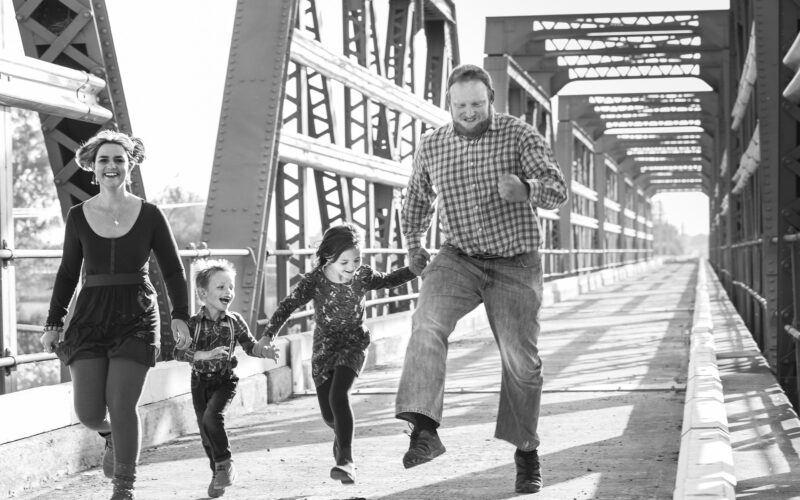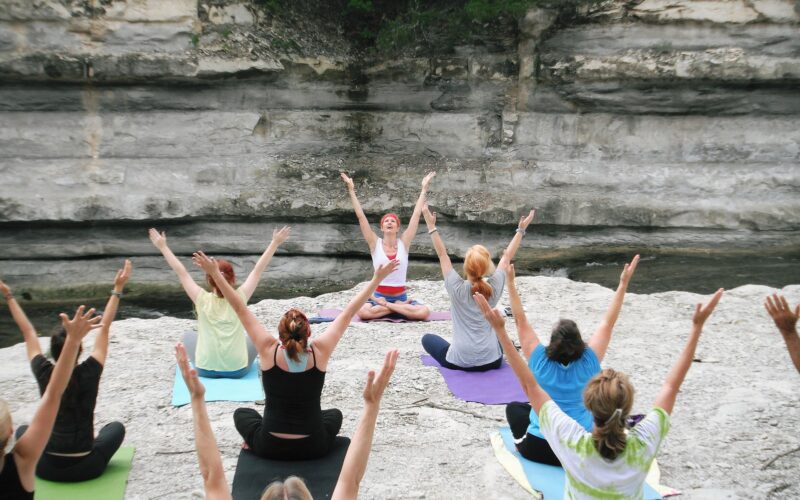
Getting motivated to exercise can often feel like a solitary chore, but turning it into a shared experience transforms the entire dynamic. When friends, family, or colleagues join forces to get active, the focus shifts from enduring physical exertion to enjoying collective camaraderie. Shared fitness goals create built-in accountability, ensuring that people show up for each other even on days when their personal motivation is lagging. By redefining what a workout looks like, groups can turn a dreaded physical obligation into the highlight of their weekly schedule, fostering both better health and stronger relationships without feeling like a traditional exercise programme.
Choose activities that feel like play rather than work
The most successful group fitness endeavours are those that do not actually feel like structured exercise. Instead of organising a gruelling circuit training session, groups can look to recreational sports or playful challenges that naturally encourage movement. Organising a weekend game of rounders in the local park or hiring a badminton court allows participants to focus on friendly competition and skill-building rather than counting repetitions or monitoring their heart rates. When the primary objective is scoring points or simply keeping a rally going, participants naturally push themselves harder while remaining completely distracted from the physical effort involved.
Gamification offers another brilliant method for making group fitness genuinely enjoyable. By setting collective targets or lighthearted challenges, groups can foster a sense of shared purpose that keeps everyone engaged over the long term. For instance, a group might decide to collectively walk or cycle the equivalent distance of Land's End to John o' Groats over a few months. Tracking this shared progress on a digital map or a shared spreadsheet gives everyone a tangible goal to work towards, celebrating minor milestones along the way and ensuring that all fitness levels can contribute meaningfully to the final target.
Incorporate the natural environment into your fitness routine
Taking the group out of the gym and into nature instantly elevates the appeal of any physical activity. The UK offers countless picturesque landscapes, from coastal paths to woodland trails, which provide a visually stimulating backdrop for group exercise. Planning a weekend hike or a group trail run changes the atmosphere entirely, replacing mirrored walls and artificial lighting with fresh air and changing scenery. The natural variations in terrain provide an excellent workout, while the expansive environment naturally encourages deeper conversations and organic bonding among the participants, making the physical exertion feel secondary to the outdoor adventure.
To ensure the group fitness habit sticks, it is crucial to cater to varying ability levels within the group so that nobody feels left behind or overly fatigued. Selecting scalable activities ensures that everyone can participate at their own pace while still enjoying the group atmosphere. A collective bike ride along a flat canal towpath, for example, allows more advanced cyclists to pedal ahead and loop back, whilst beginners can maintain a steady, comfortable pace. Fostering an environment of encouragement rather than intense competition guarantees that the activity remains a positive, stress-free experience for every single participant.
Reward your collective efforts with social time
The period immediately following the exercise is just as important as the workout itself when trying to build a sustainable group fitness culture. Designing the fitness activity to end at a local café or a beloved country pub gives everyone a specific reward to look forward to during the more challenging parts of the session. Sharing a well-earned coffee, a hearty lunch, or a refreshing beverage reinforces the social aspect of the gathering, cementing the positive associations with the physical activity and providing a relaxed environment to catch up on personal news and plan the next outing.
Ultimately, shifting the focus from individual physical gains to shared experiences is the secret to making fitness a fun group activity. When the social connections take centre stage, the calories burned and muscles toned simply become a delightful bonus rather than the sole objective. By exploring varied activities, getting outdoors, and prioritising post-workout socialisation, any group can establish a healthy, active routine that everyone eagerly anticipates each week.